H K Developments: Integrated Urban Building Solutions
H K Developments delivers integrated property development and construction services with a focus on sustainable performance, modular methods, and digital building systems. The company combines strategic planning, technical execution, and client-centric delivery to create residential, commercial and infrastructure assets that meet regulatory standards and long-term value targets.
Company profile and vision, mission, leadership and culture
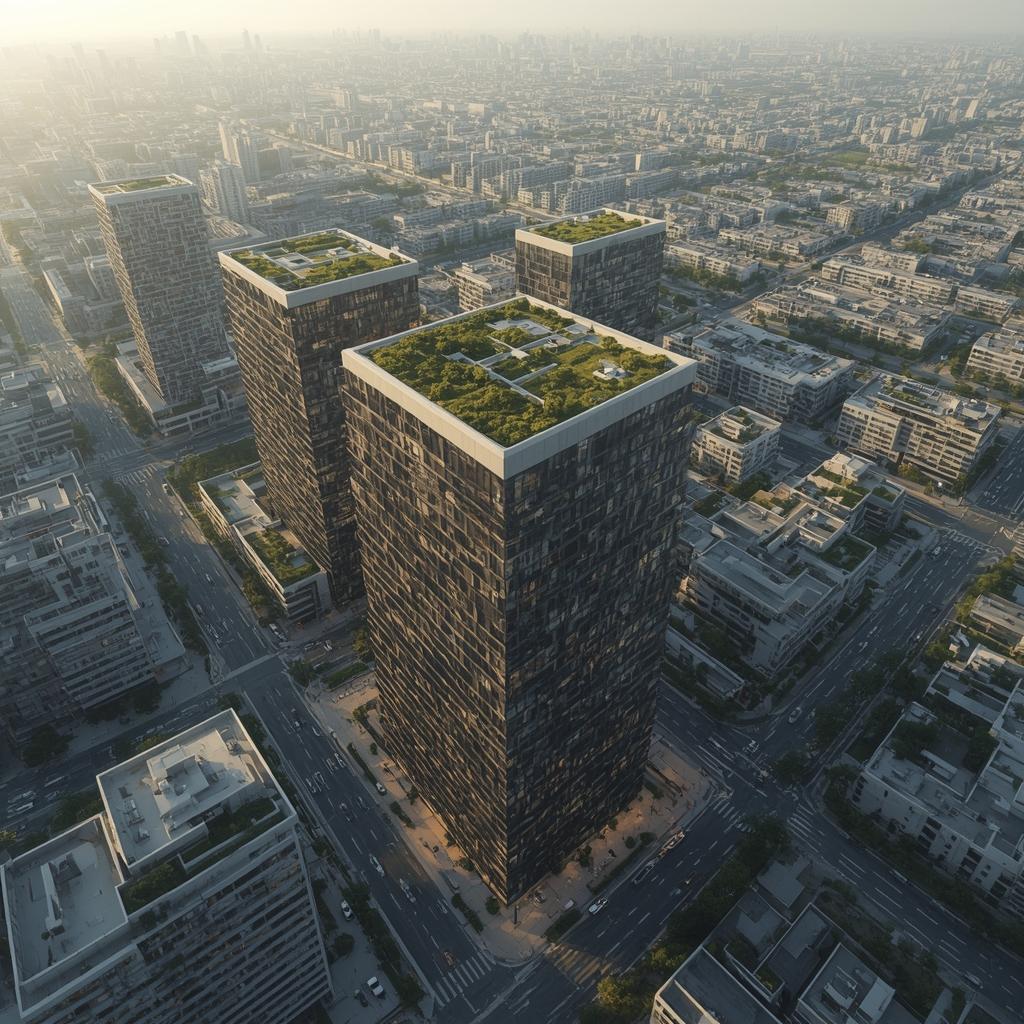
H K Developments pursues a mission to deliver durable, energy-efficient buildings that reduce lifecycle costs and enhance occupant wellbeing. Strategic objectives include shortening program schedules through off-site fabrication, achieving measurable energy reductions, and expanding services across metropolitan corridors. Leadership comprises senior professionals from construction, engineering and real estate finance who align project governance with risk management, procurement discipline and quality assurance processes. Corporate culture emphasizes safety, regulatory compliance, transparent reporting and continuous professional development for onsite teams and office staff.
Signature projects and performance evidence
A portfolio emphasis rests on medium-rise residential neighborhoods, mixed-use podium developments, and civic infrastructure contracts. Representative project performance metrics track schedule adherence, cost variance, occupant satisfaction and measured energy intensity after handover. The following compact matrix summarizes representative project typologies, typical delivery durations, and expected operational outcomes when green measures are applied.
| Project typology | Typical scale | Delivery duration | Energy use reduction target | Typical ROI driver |
|---|---|---|---|---|
| Low-rise residential cluster | 40–120 homes | 14–20 months | 20–35% via envelope and HVAC | Lower maintenance, higher resale |
| Mid-rise apartments with podium retail | 120–360 units | 20–30 months | 25–40% using façades and controls | Rental premium, mixed-income appeal |
| Commercial office fit-out within core shell | 5,000–25,000 m² | 6–12 months | 15–30% via BAS and lighting | Tenant retention and premium leasing |
| Urban road and drainage upgrade | 0.5–3 km corridors | 9–18 months | N/A for energy; reduces flood risk | Reduced lifecycle disruption costs |
Before-and-after performance analyses emphasize measured verification. Common tracked indicators include whole-building energy use intensity, potable water consumption per occupant, and commissioning defect counts at 6 and 12 months.
Sustainable building techniques and water-energy strategies
Energy-efficient design integrates passive orientation, high-performance glazing, continuous insulation and heat-recovery systems. Renewable energy is deployed where site economics support it, typically rooftop solar photovoltaic arrays sized to meet common-area and HVAC loads. Water conservation couples low-flow plumbing fixtures with rainwater harvesting and dual-piping for irrigation in landscaped areas. Site planning uses permeable paving and native drought-tolerant planting to reduce runoff and maintenance.
Modular construction and prefabrication capabilities
Off-site manufacturing follows standardized component workflows for bathroom pods, MEP racks and panelized façades. Factory production reduces onsite labor intensity and improves quality control. Typical uses include repetitive apartment units, hospitality modules and temporary worker accommodation. Logistics planning addresses transport permits, lift scheduling for cranage and sequential assembly to maintain safety and minimize community disruption.
Core advantages realized by clients include compressed schedules, predictable cost baselines and fewer on-site defects.
Smart building controls and material innovation
Integrated controls employ energy management systems with zone-level sensors for HVAC, automated lighting scenes and demand-controlled ventilation. IoT networks collect occupancy, air quality and energy data to optimize operations. Smart access combines credentialed mobile entry, visitor management and CCTV analytics. Advanced materials such as lightweight high-strength concrete mixes, fiber-reinforced polymers and low-emissivity façades reduce structural mass and improve thermal performance. Fire-resistant claddings and high-durability finishes are specified to meet regional fire codes and long-term maintenance objectives.
Design process, procurement and delivery models
An integrated design-deliver approach merges architectural, structural and MEP disciplines under a single contractual framework to speed decision cycles and manage change orders. Agile construction practices and lean site logistics reduce waste and improve flow. Risk management strategies include contingency allowances tied to objective milestones, early procurement of long-lead equipment and phased commissioning. Procurement leverages framework agreements with vetted suppliers to control pricing and ensure compliance with certifications and third-party testing.
Quality, safety and compliance mechanisms
Quality control uses sequential inspections, milestone testing and commissioning protocols documented in a digital quality register. Health and safety protocols follow national codes and best practice, with daily briefings, permit-to-work controls and toolbox training. Regulatory compliance is managed through a dedicated approvals team that coordinates permits, statutory inspections and interface with municipal authorities. Third-party verification and certification are engaged where required to validate performance claims.
Cost optimization, client engagement and aftercare
Value engineering evaluates alternate assemblies, lifecycle energy costs and maintenance burdens to protect long-term owner value. Lifecycle costing models and simple payback analyses inform investment choices for renewables and façade upgrades. Client engagement processes include structured needs assessments, staged approvals for finishes and a documented handover that includes warranties and operating manuals. Post-occupancy evaluations and ongoing maintenance contracts support performance tuning and warranty resolution.
Innovation roadmap, market positioning and community responsibility
In-house pilots test robotics-assisted masonry, advanced prefabrication and sensor-driven maintenance regimes. Strategic partnerships with technical institutes, equipment vendors and finance partners underpin product development. Market positioning emphasizes reliability, net operational savings and community impact through affordable housing collaborations and local workforce development programs. Certifications and alignment with national building codes and energy standards are prioritized to strengthen market credibility.
Future resilience and strategic investments
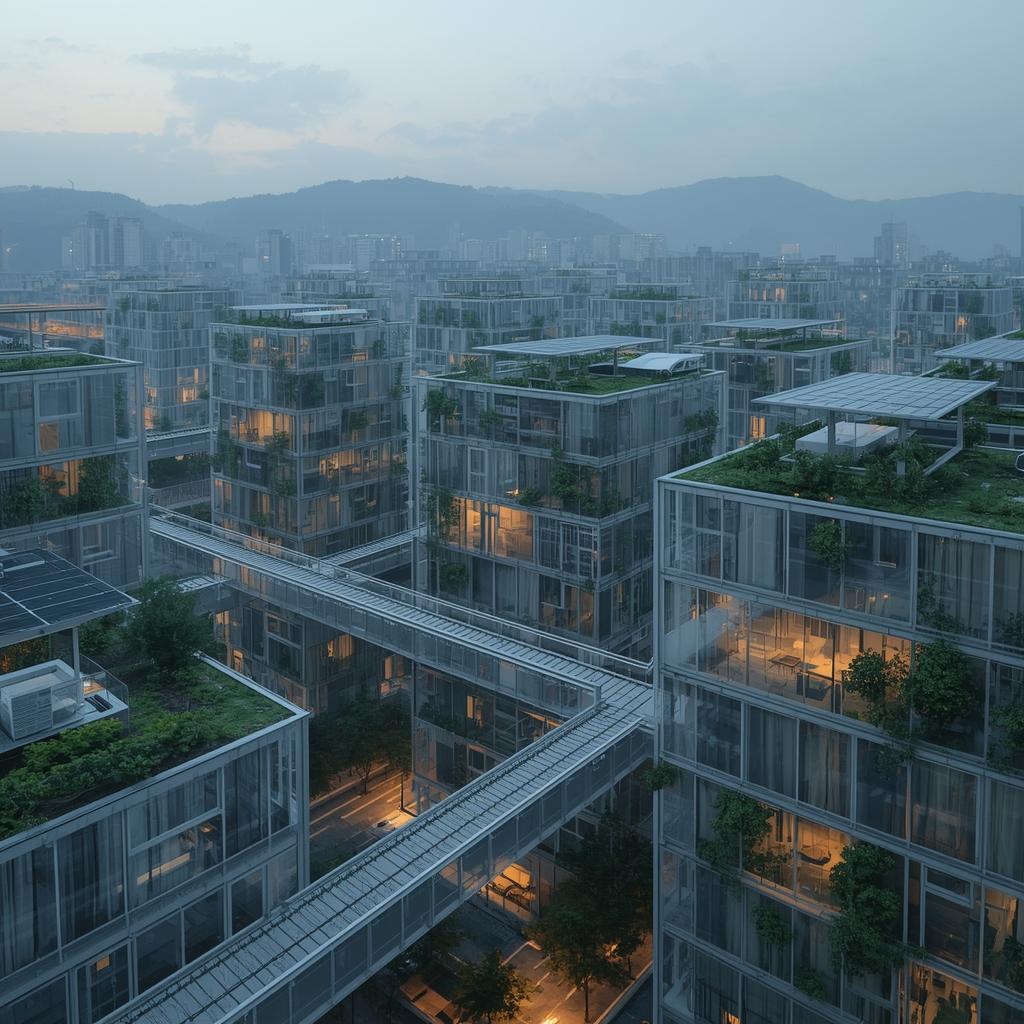
Planned investment focuses on automation in fabrication, expanded renewable deployments and resilient design measures to address climate-related risks. Long-term priorities center on delivering lower-carbon assets, faster delivery through modular systems and digital twins that enable proactive facility management and lifecycle optimization. H K Developments positions these capabilities to meet evolving client expectations and urban resilience needs.